
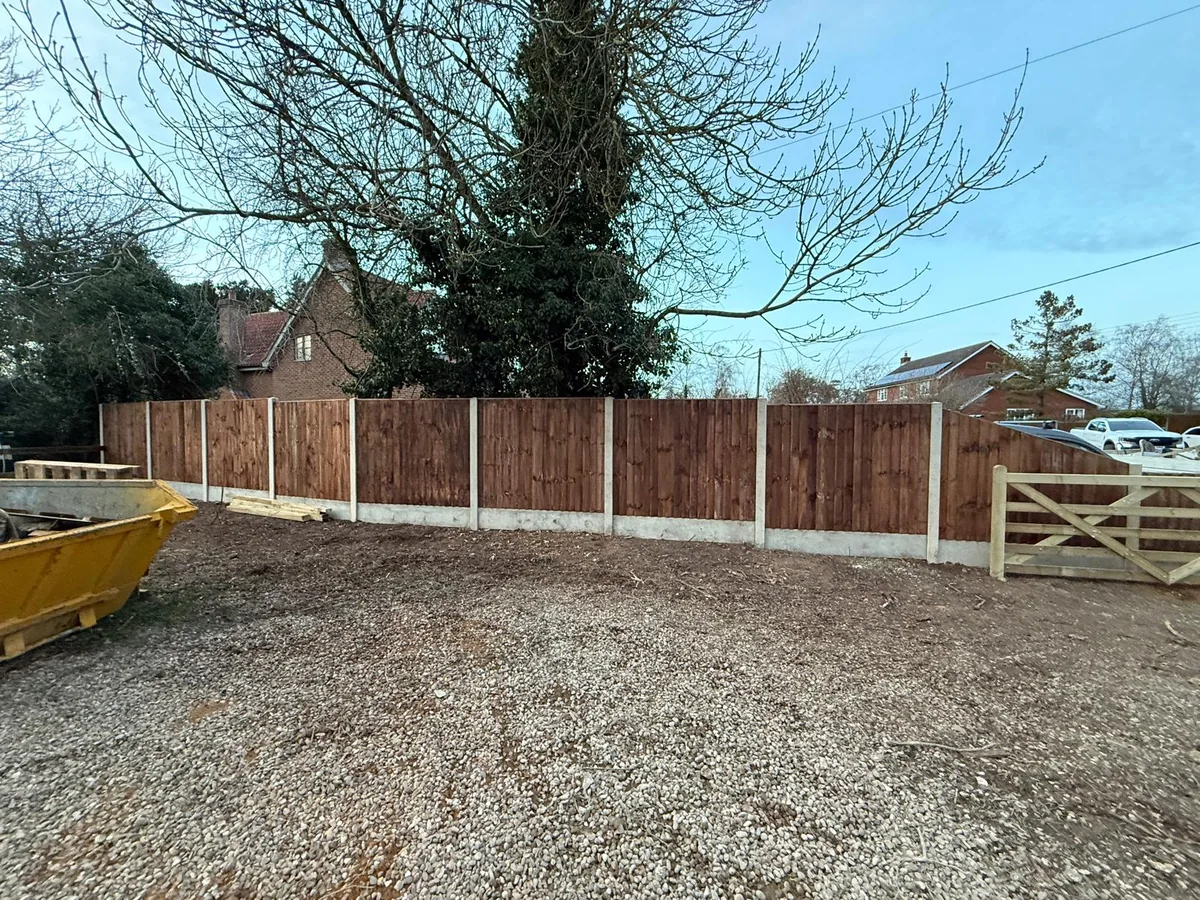
Garden Fencing in Norfolk and Suffolk
Closeboard, panel and composite fencing across Norfolk and Suffolk
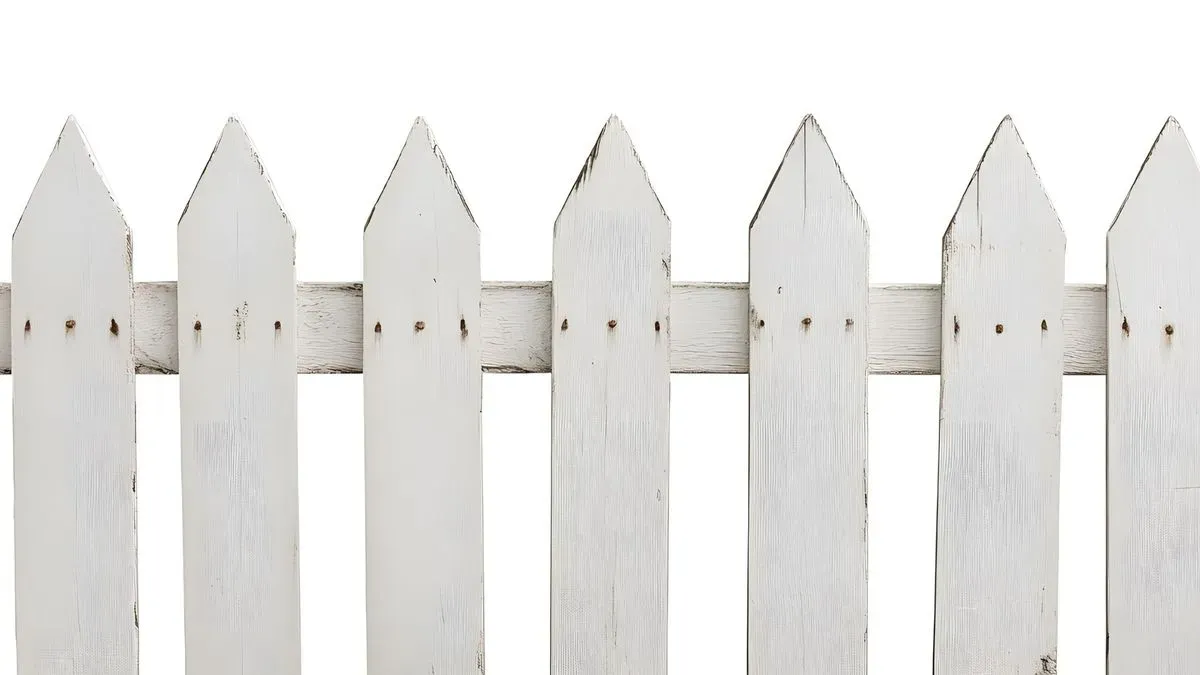
Hilton & Green Landscaping puts up garden fencing and gates across Norfolk and Suffolk: closeboard, panel and composite fencing, on concrete or timber posts.
A fence has three jobs. It marks the boundary, gives you privacy and has to stay up in the wind. Norfolk is hard on fencing, especially on open ground where the wind comes across the fields or in off the coast, and most fences that fail do so at the posts. That is why we put the thought into the posts and what the fence stands on, not just the boards.
What's included
- Post installation: concrete or treated timber posts
- Concrete spurs where replacing rotten posts
- Gravel boards
- Panels or closeboard rails and featherboard
- Post caps
- Gates and gate hardware
- Trellis and decorative screening by arrangement
- Waste removal of old fencing

How we work
-
Boundary check and marking
We confirm the line with you before we dig anything. Where boundaries are shared, we advise on the correct side for the posts.
-
Post holes and concrete
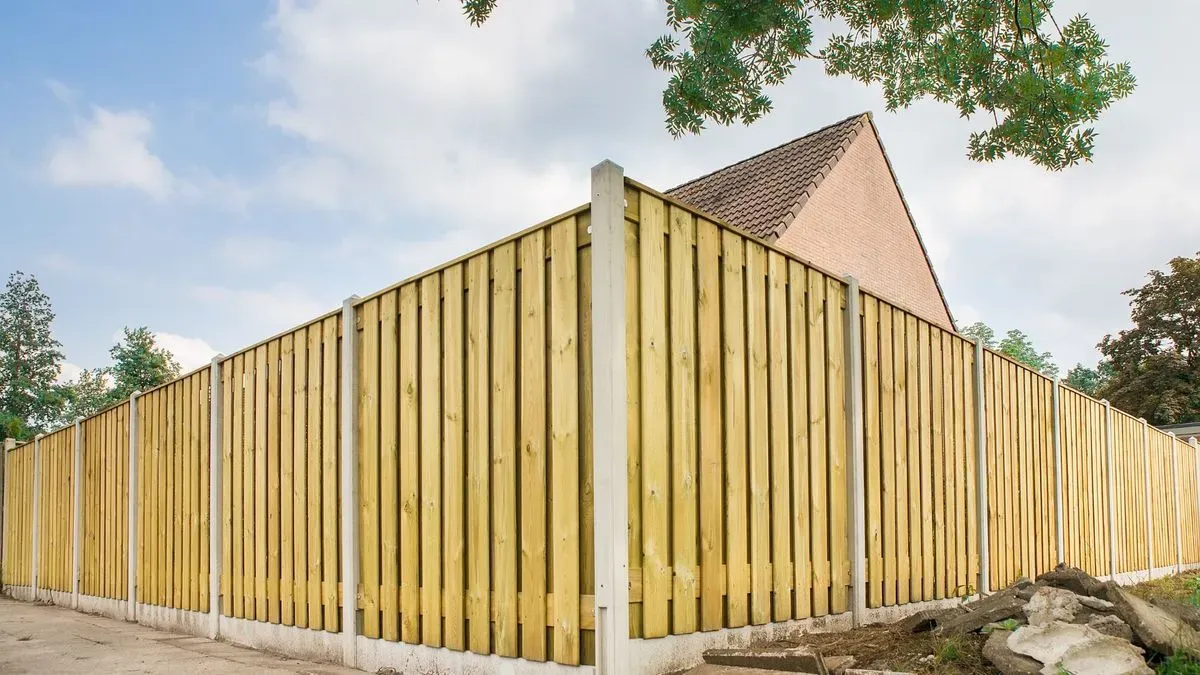
Posts are set in concrete at the correct depth for the panel height. Concrete posts do not rot. Timber posts are pressure treated but will degrade over time in wet ground.
-
Gravel boards and panels
Gravel boards keep the base of the panels off the soil, which is one of the main causes of panel failure. Panels or closeboard featherboard are then fitted.
-
Gates and finishing
Gates are hung to fall closed and latched securely. Post caps are fitted to shed water. We remove all the old fencing and leave the site clean.
Closeboard, panel or composite
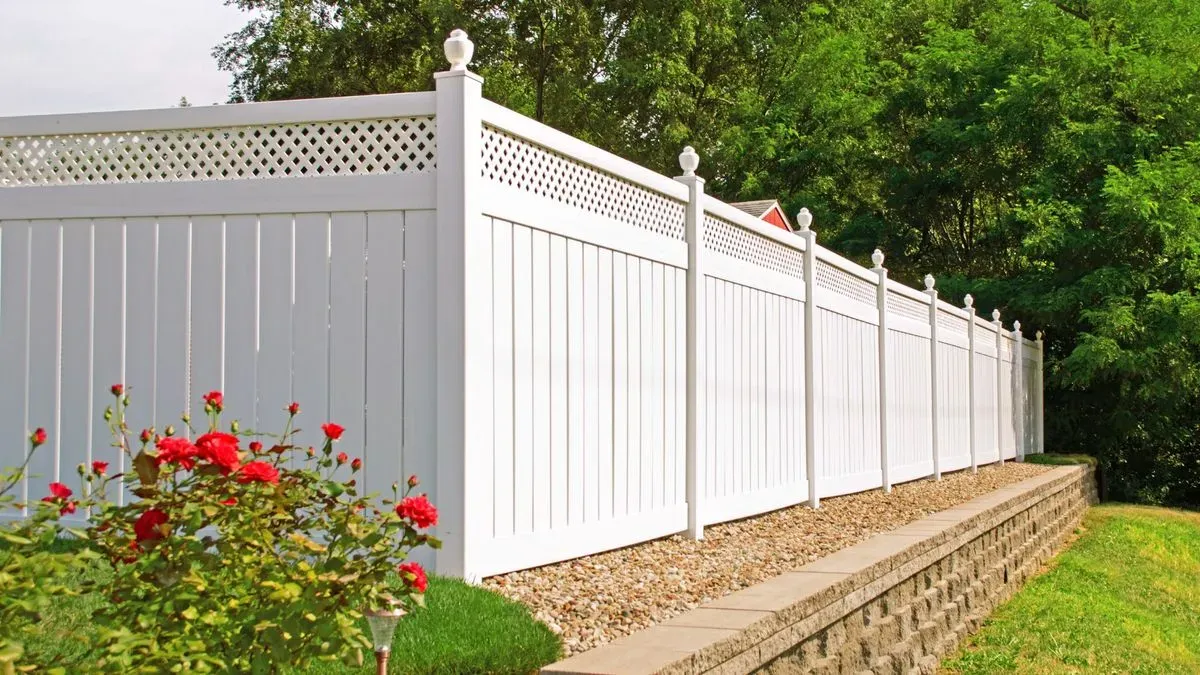
Closeboard is the stronger choice on an exposed site. Individual featherboards are nailed to rails between the posts, so one damaged board can be replaced without taking out a whole section. Panel fencing is quicker to put up and cheaper at the start, but a solid panel acts like a sail in a strong wind and puts a lot of strain on the posts. In an exposed Norfolk garden, panels can struggle where closeboard would hold.
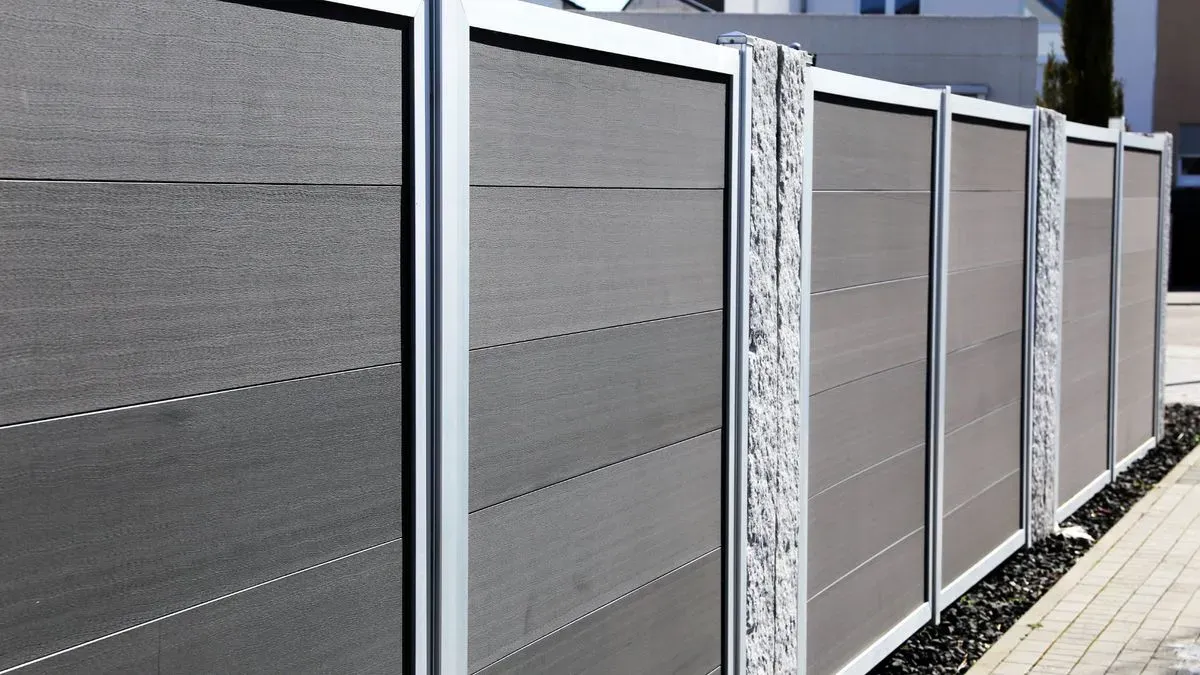
Composite fencing looks like timber and will not rot, but it costs a good deal more. For some people the lack of upkeep is worth it, for others it is not. Concrete posts cost more than timber at first but outlast several sets of boards. Over ten or fifteen years they are the better value, which is why we recommend them for any permanent fence.
What affects the cost of a fence
Length and height set the starting point, then the type: closeboard costs more than panel, and composite more than either. Concrete posts and gravel boards cost more than timber posts on their own, and save you money later.
Taking the old fence away can be a good part of the job, especially where the old posts are set in concrete that has to be dug out. Slopes need the fence stepping down, which takes longer. Tree roots, walls and hedges along the line, and access to the back of the garden, all make a difference. Gates are priced on top.
We price every job after seeing it, and the visit and quote are free.
Heights, boundaries and permission
A fence, wall or gate up to 2 metres high normally needs no planning permission. Beside a road used by vehicles, or the footpath of one, the limit is 1 metre. At a listed building, a new fence within its grounds needs permission whatever its height.
Before we dig anything we confirm the line with you. Who owns which boundary is set out in the property deeds, not by which way the posts face. It is usual to put the good side facing the neighbour, but that is courtesy rather than law, and a word with them before work starts saves a lot of trouble.
Common questions
Have a question not answered here? Get in touch and we will be happy to help.
Closeboard or panel fencing: which is better?
Closeboard for anywhere exposed. Panels are cheaper and quicker, but they catch the wind and put strain on the posts.
How long does it take to put up a fence?
Usually between one and four days, depending on the length, the type and how much old fencing has to come out first.
How high can a fence be without planning permission?
Up to 2 metres, or 1 metre beside a road used by vehicles or its footpath.
Which way should the good side face?
By custom, towards the neighbour. There is no law that says so, and it has nothing to do with who owns the boundary, which is in your deeds.
Why concrete posts?
Timber posts rot at ground level, however well treated. Concrete posts do not, so they outlast several sets of boards.
Can you fix one fence panel that keeps blowing out?
Usually. We check the posts first, because a panel that keeps coming out is normally a rotten post rather than a bad panel. A concrete spur can save a sound fence with one failed timber post.
Get a free fencing quote
Free, no-obligation quotes. We cover Norfolk and Suffolk.
In our customers' words
Genuine reviews from clients across Norfolk and Suffolk
-
★★★★★
Ben and Ed at Hilton & Green have done amazing and difficult landscaping jobs for me in the past few years, from erecting a fence close to the house in a challenging setting, to a transformational soft landscaping project at the rear of the sloping garden. The guys are very professional and the results are stunning. I highly recommend Hilton & Green for your landscaping requirements.
George Smithon Google
-
★★★★★
Hilton and Green Landscaping have done wonders to our driveway and fencing. Their work is competent and professional. They are both very friendly and knowledgeable in how to make your ideas practical.
Scott Leamonon Google
-
★★★★★
We are so pleased we found Ben and Edd to put in our new patio. They have done an awesome job. They are two of the nicest people we have met and their work is exemplary. From start to finish the guys were brilliant at their work and the end result is awesome. Would highly recommend Hilton and Green to everyone. Two thumbs up for excellent work!
Su Eyleson Google
We put up fencing across Norfolk and Suffolk. Most of our work is in and around Norwich, Long Stratton, Diss and Wymondham, and we travel further for the right job.