
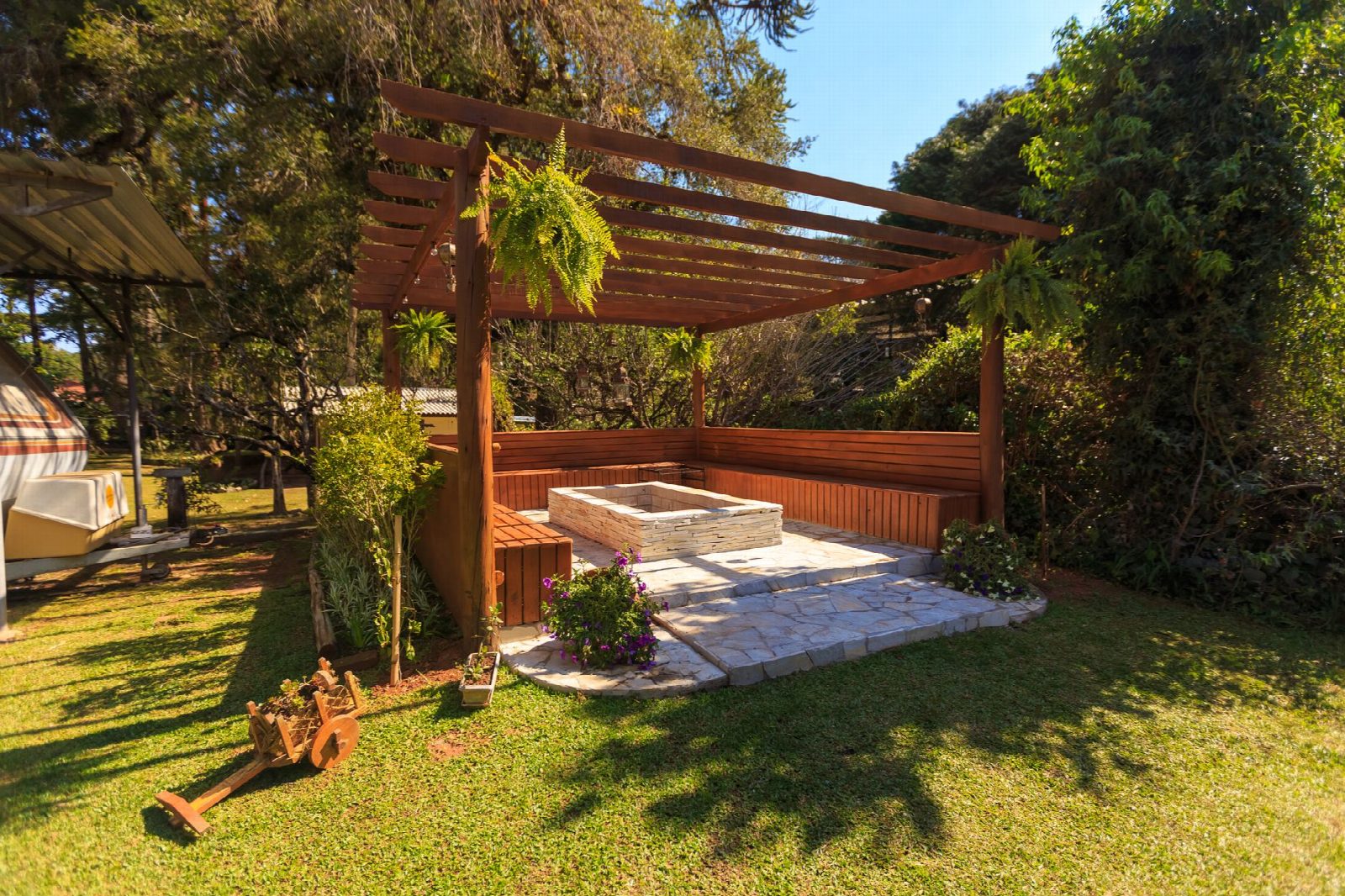
Hilton & Green Landscaping is a landscape gardening company in Norwich, and a good part of our work starts with garden design Norwich homeowners can actually live with. A design isn't a pretty drawing for its own sake. It's a plan that tells you what goes where, in what order, and why.
Here's how the process usually runs, so you know what to expect before you pick up the phone.
Step one: looking at the garden as it is
Every design starts with a visit. We walk the garden with you, and we look at the things that are easy to miss on a plan: where the sun lands at different times of day, which corners stay wet after rain, how the ground falls away, what the soil is like.
Norfolk soil varies a lot. Some Norwich gardens sit on free-draining sandy loam that dries out fast in summer. Others have heavy clay that holds water all winter. The same planting plan won't work in both. Neither will the same patio build-up, because drainage changes what goes under the paving.
We also look at what's already there and worth keeping. An established tree, a decent brick wall, a hedge that gives you privacy from the neighbours. Keeping good things saves money and makes a new garden feel settled much sooner.
Step two: working out what you actually want
This is the part people often rush. It helps to be honest about how you use the garden, not how you think you should use it.
Some useful questions to answer before we meet:
- Who uses the garden, and when? Young children, teenagers, dogs, nobody much during the week?
- Do you want to eat outside? For two people or for ten?
- How much time do you want to spend maintaining it? Be realistic.
- Is there anything you hate about the current garden?
- Do you need storage, a shed, somewhere for bins, somewhere to dry washing?
- Is there a view you want to see, or a window you want to look out of?
The answers shape everything. A garden for a family with a football-mad eight-year-old needs a different layout to one for two people who want borders and a quiet seat.
Budget matters here too. It's better to talk about it early than to design something that can't be built. A plan can be phased over a couple of years if that suits you better.
Step three: the layout
Now the shapes go down. This is about dividing the space: where the hard surfaces sit, where the lawn sits, where the planting goes, and how you move between them.
A few things we think about:
Where the sun is. A seating area in permanent shade won't get used. We put patios where you'll want to sit, which isn't always right outside the back door.
Paths that make sense. If people naturally cut a corner, a path should follow that line. Fighting how people walk never works, you just get a worn strip in the lawn.
Proportion. Small gardens often need fewer, bigger elements rather than lots of small fussy ones. Chopping a tiny garden into five areas makes it feel smaller.
Boundaries. Fencing and screening do a lot of work in a design. A fence that's the right height and colour can make the planting in front of it look twice as good.
Levels. Many Norwich gardens have a slope. Steps and low retaining walls can turn an awkward gradient into two usable flat areas.
Step four: materials and planting
Once the shapes work, we choose what they're made of. Paving, gravel, timber, edging, turf. We think about how materials sit against the house, because a garden that clashes with the brickwork never quite looks right.
Planting comes last on paper but it's what you'll notice most. We plan for year-round interest rather than a garden that peaks in June and looks empty from October. Evergreen structure, some shrubs with good autumn colour, bulbs for early spring, and perennials for the long middle stretch. You can see more about how we approach this on our planting and borders page.
We pick plants that suit your soil and aspect. A plant in the wrong place will always struggle, however much you water and feed it.
Step five: building it
The order of work matters. Groundwork and drainage first. Then hard landscaping, walls, patios and paths. Then lawns and turfing, then planting, then the finishing touches.
Doing it in this order means heavy machinery and barrow runs don't churn up finished areas. It also means the garden looks worse before it looks better, which is worth knowing so you're not alarmed halfway through.
We work across Norwich and the surrounding villages, as well as Wymondham, Long Stratton and Diss.
What happens after
A new garden needs a year or two to settle. Plants fill out, turf knits together, hard surfaces weather down. The first summer is the one where watering really counts, especially on sandy soil.
If you'd rather not keep on top of it yourself, garden maintenance keeps the design working as intended. Borders get fuller, not messier, when someone prunes at the right time of year.
Talk to us about your garden
If you're thinking about redesigning your garden in Norwich or the surrounding area, give Hilton & Green Landscaping a ring on 07711916180 or use our contact page. We're happy to come and look at the space and talk through what's possible.