
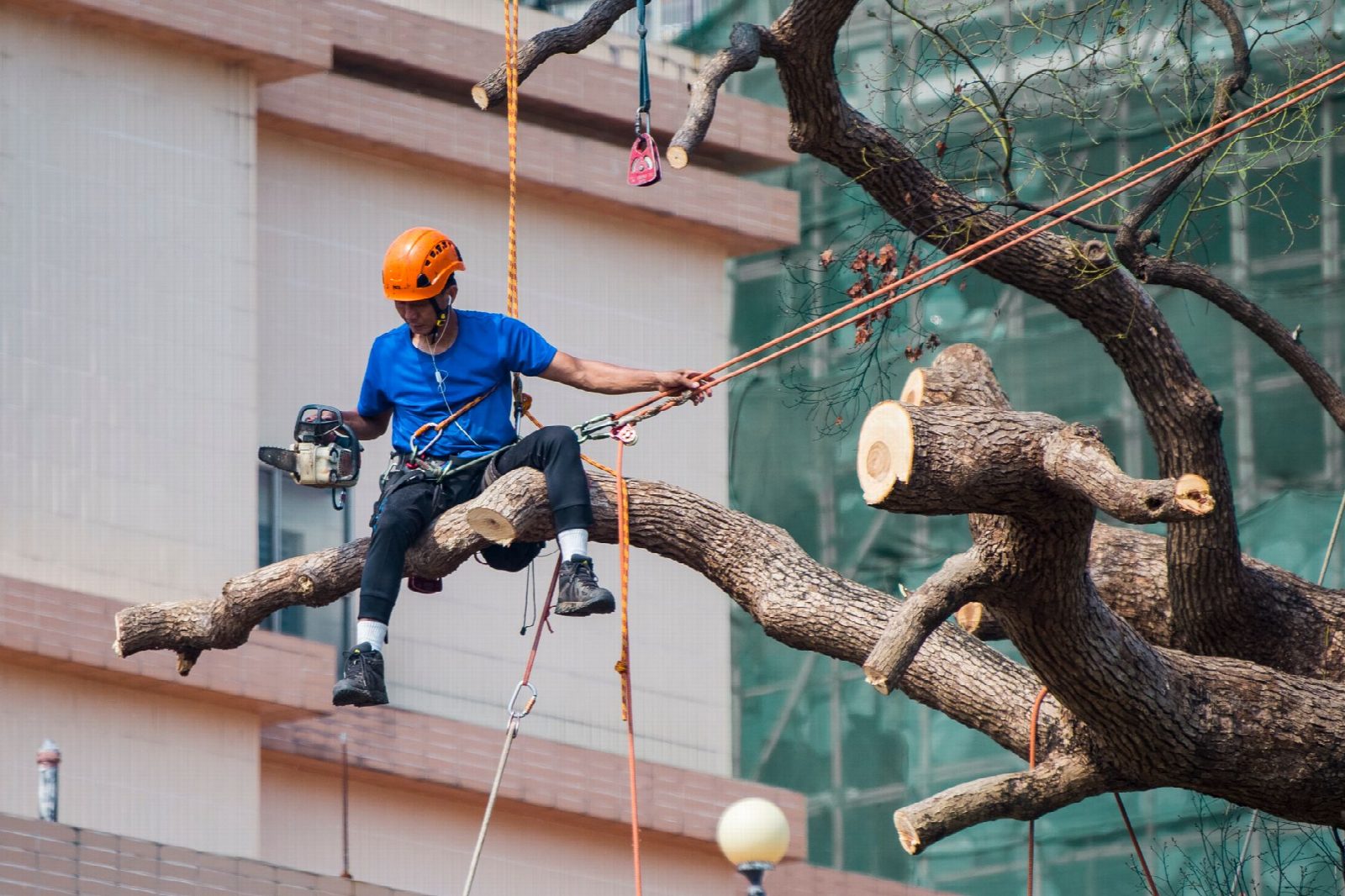
Hilton & Green Landscaping is a landscape gardening company in Norwich, and a big part of our work is tree surgery and pruning. One of the questions we get asked most is where the line sits between a job you can handle with your own secateurs and when to call a tree surgeon. This guide sets out both, so you can keep on top of your garden and know when to hand it over.
Pruning jobs most people can do safely
If you can reach it standing on the ground, and the branch is thinner than your thumb, you can usually do it yourself. Sharp, clean tools do most of the work.
Deadheading and tidying
Snipping off spent flowers keeps roses, dahlias and many perennials going for longer. Cut just above a healthy leaf or bud. No skill needed beyond a steady hand.
Shrubs that flower in summer
Buddleia, lavatera and late-flowering spirea can be cut back hard in late winter or early spring. They flower on new growth, so a firm prune gives you more flowers, not fewer.
Light hedge trimming
A short run of privet, box or beech at chest height is a reasonable weekend job. Trim little and often rather than letting it get away from you. Check for nesting birds first: it is an offence to damage an active nest, and the main nesting season runs from March to August.
Small dead or damaged stems
Anything obviously dead, diseased or snapped can come off at any time of year. Cut back to healthy wood, just above a bud or side shoot, and angle the cut so water runs off.
Suckers and water shoots
Thin whippy growth from the base of a tree or from a graft union takes goodness from the rest of the plant. Pull or cut it off as low as you can while it is still soft.
When to call a tree surgeon
Some jobs are not about skill, they are about risk. Trees are heavier than they look, and a falling limb does not care how careful you were being. Call us when any of the following applies.
The job needs a ladder or a chainsaw
Working above head height with a saw is where most garden accidents happen. Chainsaws kick back, branches swing sideways as they fall, and ladders shift. If the cut is out of reach from the ground, that is our job, not yours.
The tree is near a building, wall or cable
Branches over a roof, a conservatory, a neighbour's fence or a power line need to be taken down in sections and lowered on ropes. A limb dropped in the wrong direction can cost far more than the pruning would have.
The trunk or roots look wrong
Call someone out if you see cracks in the trunk, mushrooms or bracket fungi growing on the bark or at the base, bare patches where the bark has fallen away, or soil lifting on one side of the tree. Those can all point to problems inside the wood that you cannot judge from the outside.
The tree is leaning or has lost a limb
A new lean, especially after wind, needs looking at quickly. So does a tree that has already shed a large branch, because the rest of the crown may be under the same strain.
The tree has outgrown its spot
Blocking light, filling gutters, lifting a patio, pushing at a fence. These are all solvable, but the answer is usually a considered crown reduction or thinning rather than lopping the top off. Badly cut trees put out weak, crowded regrowth and you end up back where you started, only with a less stable tree.
You are not sure what it is or when to cut it
Timing matters. Cherries and plums are best pruned in summer to reduce the risk of silver leaf. Many trees bleed sap if cut in spring. If in doubt, ask before you cut, because you cannot put a branch back on.
Trees with legal protection
Before any significant work, check whether the tree has a Tree Preservation Order or sits in a conservation area. Norwich has plenty of both. Cutting a protected tree without permission is a criminal offence, and the fines are not small. Your local council can confirm the status of a tree at your address, and we can advise on what the work would involve either way.
What we do on a typical visit
We look at the whole tree, not just the branch that is bothering you. That means the shape, the balance, the health of the wood and what is underneath it. Then we agree the work with you before we start, cut cleanly at the right points, and clear up. Arisings can be chipped, stacked as logs or taken away.
Pruning often sits alongside other work. If a tree is coming out or being reduced, the border underneath usually needs rethinking, and we cover that under planting and borders. Regular seasonal cutting back can be rolled into garden maintenance so you are not chasing it yourself.
We work across Norwich and the surrounding villages. You can see where we cover on our areas we cover page, and there are photos of finished jobs in the gallery.
If you have a tree you are unsure about, call Hilton & Green Landscaping on 07711916180 and we will come and take a look.